Love your ears: protecting your hearing at festivals and live music events
Contributed by Victoria Dillon, Hearing Aid Audiologist
27/02/2026 • 3 min read
Enjoying live music doesn’t have to come at the expense of your hearing, as long as you take a few simple precautions.
Here’s what everyone should know if they’re heading to a festival, gig or concert this summer.
Why hearing protection matters
Loud music can damage the delicate hair cells in the inner ear. Once these cells are damaged, they don’t recover.
The risk of hearing damage increases with:
- Volume - how loud the sound is
- Proximity to speakers - particularly standing close for long periods
- Length of exposure - hours of music, often over several days
Festivals often combine all three. This isn’t about missing out on the experience, it’s about making sure you can continue enjoying live music for years to come.
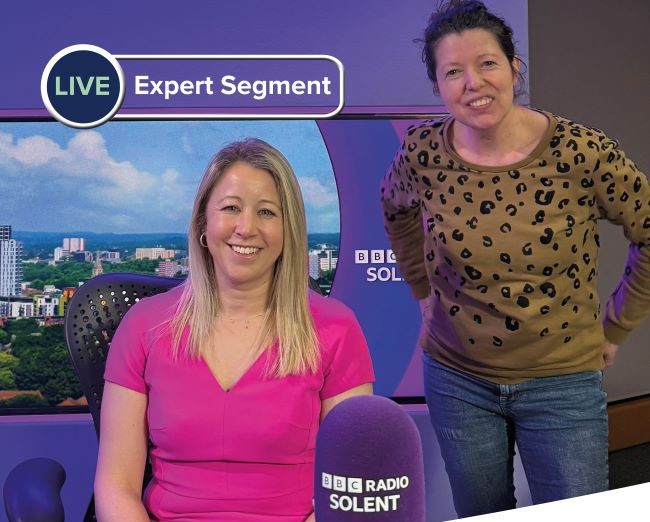
Audika's Victoria Dillon (left), was invited to speak with Katie Martin on BBC Radio Solent to talk about how easily loud music at festivals and live events can damage your hearing, often without people realising until much later.
Practical ways to protect your hearing at festivals
1. Use ear protection
Earplugs are one of the most effective ways to protect your hearing.
- They reduce volume without distorting the music
- Small, discreet and easy to carry
- Suitable for festivals, gigs and clubs
2. Give your ears regular breaks
Your ears need time to recover from loud sound. A helpful guide is the 60/60 rule:
- Listen at no more than 60% volume
- For no more than 60 minutes
- Then take a break
At festivals, this might mean:
- Stepping away from speakers between sets
- Using quieter areas to rest your ears

3. Be mindful of where you stand
Standing even a short distance away from speakers can significantly reduce noise exposure.
- Avoid staying right at the front for prolonged periods
- Move around rather than staying in one loud spot
4. Watch for warning signs
Ringing, buzzing or muffled hearing after a gig are signs your ears have been overworked.
Repeated episodes increase the risk of permanent hearing damage, so they shouldn’t be ignored.
What to do if you notice a change in your hearing
If you notice any changes in your hearing, it's important to get it checked; you can book your free hearing test today, just follow the link.
Or to get a general idea of how well you can hear, why not try our online hearing test? It's free, only takes a few minutes and we'll email you your results straight away.

Victoria has 20 years’ experience in hearing care, both with the NHS and private providers. Victoria finds it incredibly rewarding to help people improve their quality of life by overcoming their hearing challenges. She regularly appears on radio and TV as an advocate for hearing protection, giving useful and practical tips on how you can look after your hearing health. Victoria also believes hearing technology can have a profound impact on a person's ability to communicate, stay connected, and enjoy everyday activities, and seeing the positive difference that better hearing can make to someone's confidence, relationships and independence is what continues to inspire her every day.